International Literacy Day 2015

Looking ahead to next month . . .
International Literacy Day – Tuesday 8th September 2015
“Literacy is a bridge from misery to hope.” – Kofi Annan

On the 8th of September people across the world will celebrate International Literacy Day.

Celebrate International Literacy Day within your class or as a school.  It’s a great opportunity for an Interdisciplinary Topic, making natural links with Literacy to Global Citizenship and Learning for Sustainability.

This slideshow requires JavaScript.

CLICK HERE for the International Literacy Day Website which includes event ideas . . . My personal favourite is an “Open Mic Night” for your school community.

Check out the Global Dimension website to access resources to support Global Citizenship and Sustainable Development

Celebrate cultures and diversity through each class hosting a different themed event from a country – CLICK HERE for a great link with stories linked to countries across the world.


Pre-Teaching Vocabulary

How do you teach new vocabulary to learners? 

PIPSTJOHN

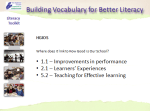
The Building Vocabulary for Better Literacy PowerPoint within the Literacy Toolkit, suggests that in order to store new words effectively we need knowledge about three key areas:

  1. Word Knowledge (semantics)
  2. Phonological Awareness
  3. Kinaesthetic/ Visual Representation

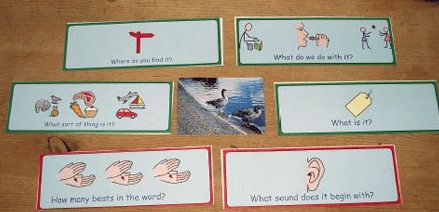
The Pip St.John – Pre-Teaching Vocabulary resource provides free teaching materials which can be used when teaching learners new vocabulary.

Check it out by clicking the image at the top of this post.

Speech and Language CPD

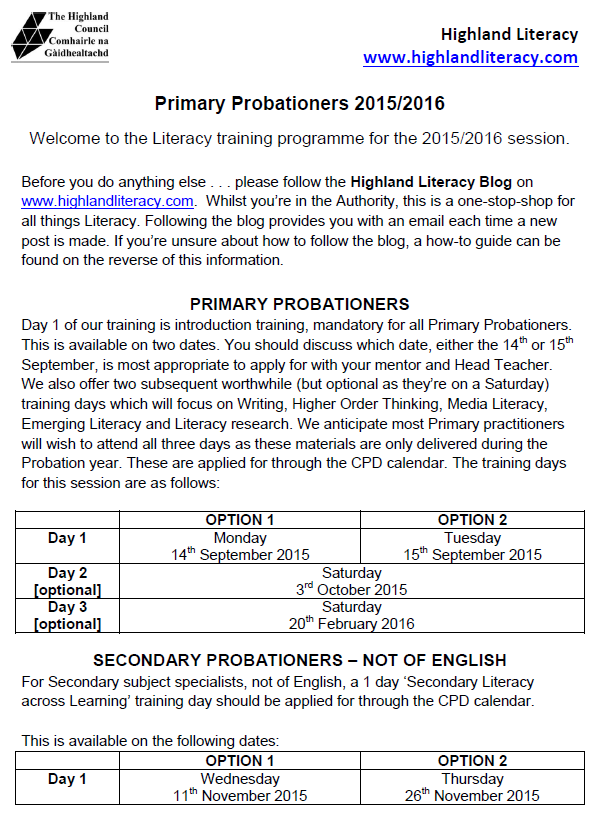
Please see information below re CPD delivered by the Speech and Language team.

PLANNING FOR AND SUPPORTING CHILDREN WITH SPEECH AND LANGUAGE DIFFICULTIES IN THE PRIMARY SETTING

An interactive whole day session suitable for: class teachers, ASN teachers, SMT, PSAs.

speech-language-pathology1This one-day course will focus on identifying and supporting children with speech and language difficulties within the classroom. Learning will be done through active tasks, collaborative problem solving and analysis of real-life videos of children with SLCN (speech language and communication needs)

Aims of the course:

  • To understand why speech, language and communication matters
  • To develop an understanding of all the different stages and steps of the communication chain
  • To know the difference between the terms speech, language and communication
  • To understand the role of SLT and how we can work together and help each other
  • To think about the link between poor language skills and behaviour
  • To think about the link between speech, language and emergent literacy
  • To know basic strategies to help children understand and learn new language
  • To understand how non-verbal communication and using visual supports can support children with SLCN.

INVERGORDON – Thursday 24th September 2015 – Primary

INVERGORDON – Friday 25th September 2015 – Secondary PSAs/ SfLT

DINGWALL – Wednesday 7th October 2015

INVERNESS – Tuesday 1st December 2015

WICK – Thursday 14th April 2016

FORT WILLIAM – Tuesday 10th May 2016

Please apply through the CPD Calendar

Read, Write, Count

RWC

On Monday the P1 – P3 campaign Read, Write, Count launched its website. The website contains videos, tips and ideas for parents/carers to support their child in their literacy and numeracy learning.

Watch the video below – this is one you may wish to share with your staff and your parents/carers via school website or blog:

CLICK HERE – Read, Write, Count

Check out the ‘Why?’ section for more information. The ‘Read’ and ‘Write’ sections include ideas to support literacy development in the home environment. There are a number of videos and ideas that can be shared with parents/carers through information sessions and home/school communication.

Building Vocabulary for Better Literacy

BVfBL

A new resource has been created and added to ‘The Literacy Toolkit’ section of our blog.

Building Vocabulary for Better Literacy – The objective of this PPT is to explore the research and strategies around pre-teaching vocabulary and relating this to improving literacy levels and learning outcomes for children and young people.

CLICK HERE – Building Vocabulary for Better Literacy