Check out Galactic Phonics – a resource which includes many interactive activities to support the teaching of Spelling and Phonics.
I particularly like the:

Interactive CVC word builder.

Interactive Silent Letter Finder

Check out Galactic Phonics – a resource which includes many interactive activities to support the teaching of Spelling and Phonics.
I particularly like the:
Interactive CVC word builder.
Interactive Silent Letter Finder
Following Wednesday’s post on SOLO Taxonomy [click link for more details], as promised, a suggested lesson to develop the taxonomy in your classroom. The approach is based on the work produced by Pam Hook, HookED in New Zealand.
Significant Aspect of Learning – Listening and Talking
Learning Outcome – I am learning how to connect ideas together and describe the connections I have made.
Step 1: View DREAM Animation, found on The Literacy Shed.
Step 2: Use the Bloom’s Question Fans and Viewing Media questions to facilitate the discussion around the text, selecting the main ideas and connect to learners’ own dreams.
Step 3: Main ideas/phrases to be pulled out of the text and written onto blank hexagonal shapes – CLICK HERE – Hexagon Template. This can be done by learners and collated by the teacher, or these concepts can be handed to learners, pre-prepared by the teacher. This is dependent on age/stage of learners. Click the link below for pre-prepared hexagons, created using the Free Hexagon Generator.
CLICK HERE – DREAMS – SOLO Taxonomy Hexagons
Step 4: Learners to independently, or collaboratively, organise the hexagons, joining them together to make connections.
Step 5: Learners should be given an opportunity to share how they’ve connected their concepts with others/ the class – comparing the connections they have made with the connections of others.
CLICK HERE Developing SOLO Taxonomy Example Lesson Plan
If you have used SOLO Taxonomy in your classroom, let us know by leaving a comment.
SOLO [Structure of Observed Learning Outcomes] Taxonomy is a concept originally designed by Biggs and Collis (1982) which describes the level of engagement that a learner has with a concept, idea or subject area.
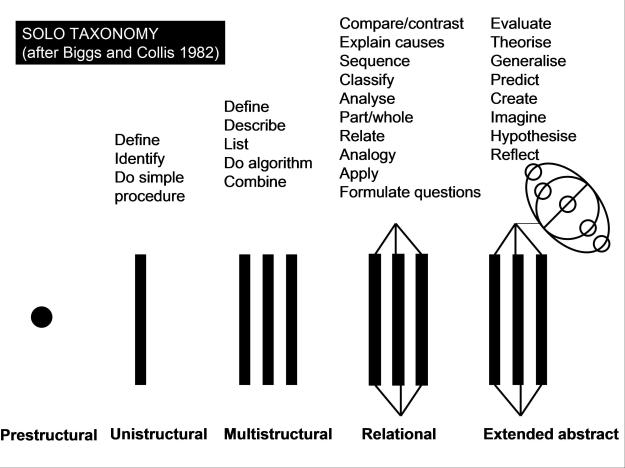
Sourced from: http://pamhook.com/wiki/The_Learning_Process
Learners should be supported to make connections in their learning between texts they’ve read, information they’ve learned and problems they’ve solved.
Pam Hook, HookED, has worked over the past seven years developing the approach in New Zealand schools. To find out more about SOLO Taxonomy, and how it has been developed in New Zealand:
CLICK HERE – HookED SOLO Taxonomy
To learn more about SOLO taxonomy in the UK:
Steven Tierney – SOLO Taxonomy
Argyll and Bute – Solo Taxonomy
SOLO taxonomy is designed to promote depth in learners’ reflections and develop Higher Order Thinking Skills (HOTS).
One strategy which can be used to develop SOLO in the classroom is the Hexagonal Approach.
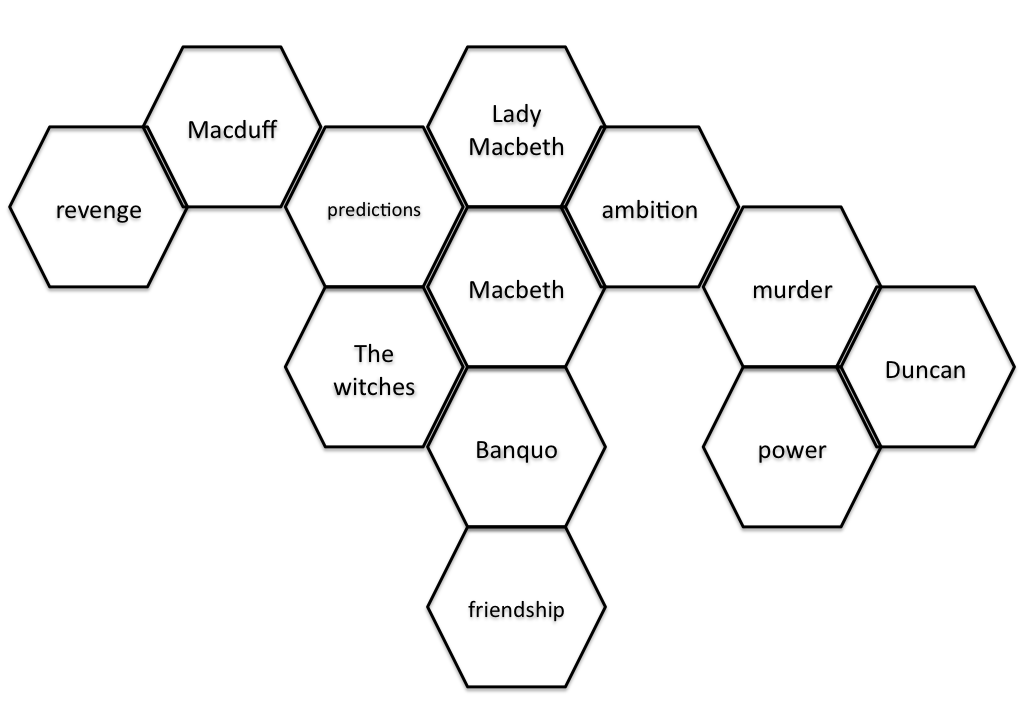
When reading a text, e.g. Macbeth, learners can be provided with, or pull out, the key information/characters and write these on blank hexagons. Working independently, or collaboratively, learners can then join the hexagons to make connections. It is important that learners are given time to reflect and describe the connections they have made. An excellent task to strengthen listening and talking skills, with the possibility of leading into the creation of texts.
CLICK HERE for a brilliant free resource developed by Pam Hook at HookED. Type in the words/phrases that you want included in your hexagons, and this will generate a document which can be printed out, cut out and organised by learners.
This concept is suitable for First Level, onwards; however, with support, the foundations can be developed in Early Level.
Check back on Friday for an example which you can use to develop SOLO taxonomy in your classroom.
When we find the Gowd is a great resource that has been produced by Inverclyde Council to support the teaching of Scots – with St. Andrew’s Day looming there’s no better time to plan for Scots language.
The resource includes a series of lessons for First, Second and Third Levels.
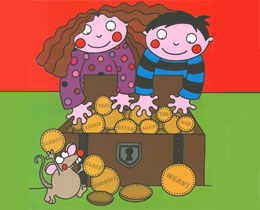
A new series of books set in and around Invergarry are being released to support Early/First Level learning experiences in a Scottish context.

CLICK HERE to check out the Harriot McDougall website where you can find out more about the author, Priya Kharbanda, and the characters she has created.

The first book in the series, ‘Harriot McDougall Goes to the Commonwealth Sports Day’, is accompanied by an educational pack to stimulate discussion and learning experiences around the text. CLICK HERE for details on how to purchase the text. A portion of the proceeds will be donated to UNICEF. CLICK HERE – UNICEF Just Giving
The author is available for storytelling sessions, bringing her books to life. CLICK HERE for Priya’s contact details.
A number of copies have been purchased by Highland Libraries and will be available to lend shortly.
A FABULOUS new Scots Language resource has been released.

Scots Hoose is jam-packed with resources to support the teaching of Scots in the curriculum.
They’ve even got their very own Scots language magazine – SKOOSH! – that learners can contribute to; a great way to encompass purpose and audience into writing.
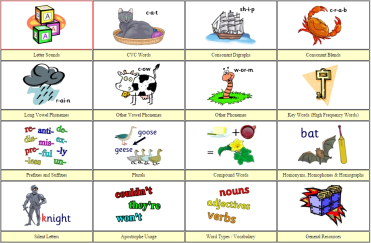
There are far too many individual resources on the website to recommend, instead click on each of the images below to take you to the relevant sections.



Book Week Scotland takes place between the 24th – 30th November.
The Scottish Book Trust are inviting staff and pupils to make a reading pledge . . . this may be reading a new genre, swapping a book with someone, paired reading with someone else or visiting the local library.
There is an Authors Live Poetry event for P1 – P3 pupils that is happening on Thursday 27th November in addition to National Non-Fiction November taking place throughout November.
Let us know what you’ve got planned by leaving us a comment . . .
Teaching World War I this session? . . . A CPD event for Highland practitioners has been made available through the Highland Archive Centre in Inverness.

There are a wealth of literacy based opportunities that can help bring World War I to life for learners.
Wanting to do a book study? . . .
CLICK HERE – Reading War website
Fancy sourcing information texts? . . .
CLICK HERE – WWI BBC
Like The Literacy Shed? . . .
CLICK HERE – War and Peace: Literacy Shed
The Primary Probationers, as part of their Action Research, were asked to discuss and share their response to the following question:
For more suggestions on how to promote Reading for Enjoyment visit our:
Independent Reading reading section on the blog and our
HLP Reading for Enjoyment booklet

Speedy Readers – The Literacy Toolbox, created by Eddie Carron, is available on Highland Council PCs and laptops in those schools that opted to purchase the software.
To support the use of the programme, the following user guides for staff and learners have been created:
Speedy Readers Staff Guidelines – October 2014
1. Accessing ‘Speedy Readers’
2. Using ‘Library 300’
3. Using ‘Reading Comprehension’
4. Using ‘Dictation One’
5. Using ‘Dictation’
6. Using ‘Higher Dictation’
7. Using ‘Jumpstart’
8. Using ‘Sentence Builder’
9. Using ‘Reading Starter’
CLICK HERE to access all user guides in a zip file.
Eddie Carron, the creator of the software, has a discussion forum that can be accessed on: http://realteacher.forumchitchat.com/


 HIGHLAND LITERACY