Click the image below to access Genre Posters from the Education Scotland website, created by Learning and Teaching Scotland.
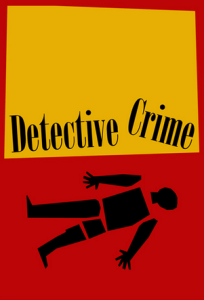

Click the image below to access Genre Posters from the Education Scotland website, created by Learning and Teaching Scotland.
As part of the Scottish Book Trust’s ‘Journeys‘ writing competition they have created resources to support children and adults in writing about Journeys.
Click the image below for teaching resources that can be used in Early – Fourth Level.

Where will your class take you?
How are you currently teaching non-fiction text structures in reading and writing?
The video below from the Cult of Pedagogy introduces the concept of text structures:
Key vocabulary and examples of text structures can be found on the link below:
CLICK HERE – Text Structure Vocabulary

Graphic Organizers that can be used to support the teaching of text structures can be found below:
CLICK HERE Text Structure – Graphic Organizers
At the Starcatchers creativity event last week there were a variety of presentations and workshops within the Early Years and school age context that explored instilling Creativity in education.
In the Education Scotland presentation, they highlighted Creativity as providing opportunities for Divergent Thinking.
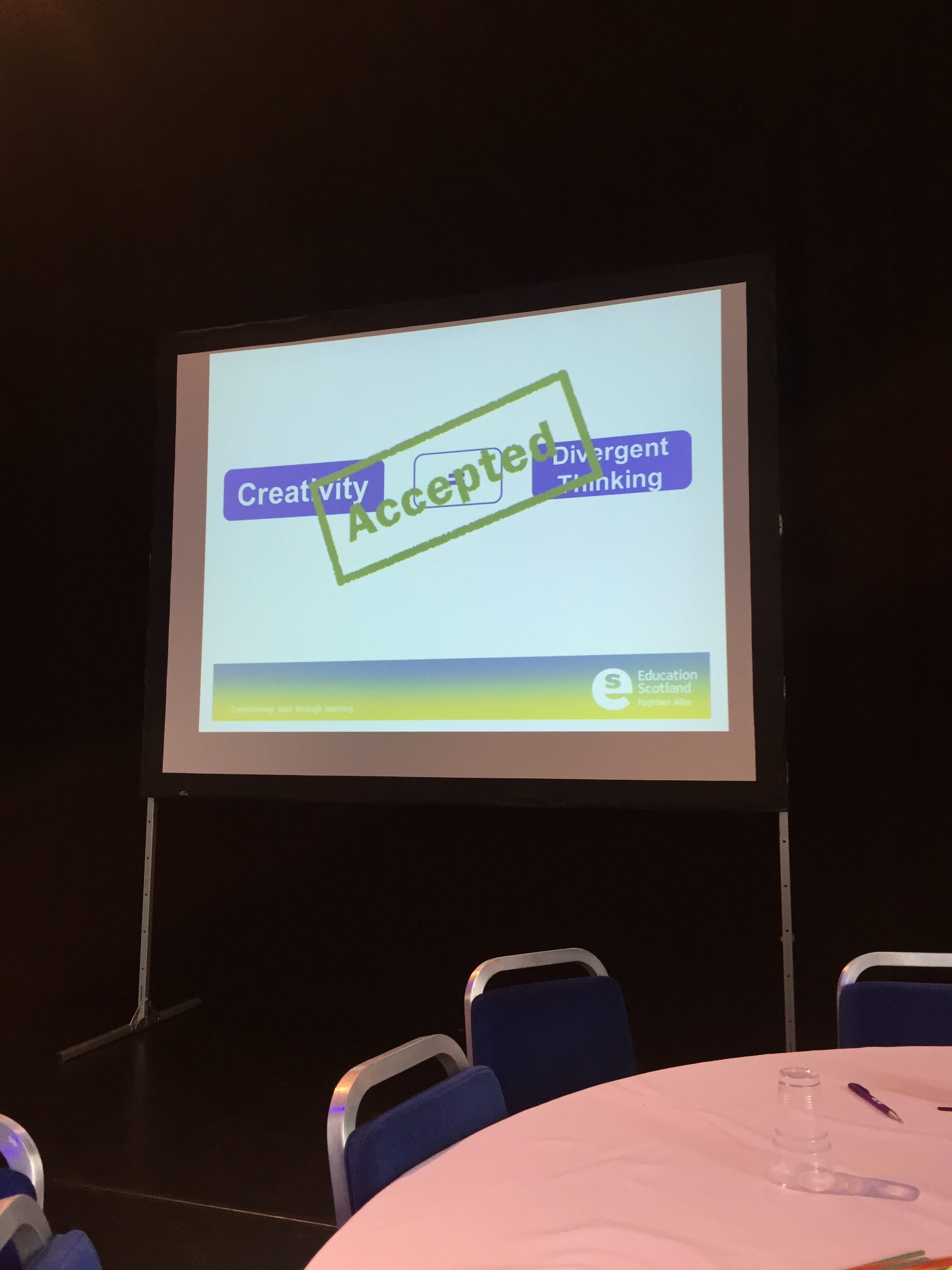
In the release of Steps to Success – The Highland Literacy Progression the Highland Literacy progression, we have highlighted that the Sub-SAL ‘develop and use higher order thinking skills’ permeates throughout the Literacy Experiences and Outcomes. It was highlighted at the event that Creativity should permeate throughout the curriculum.
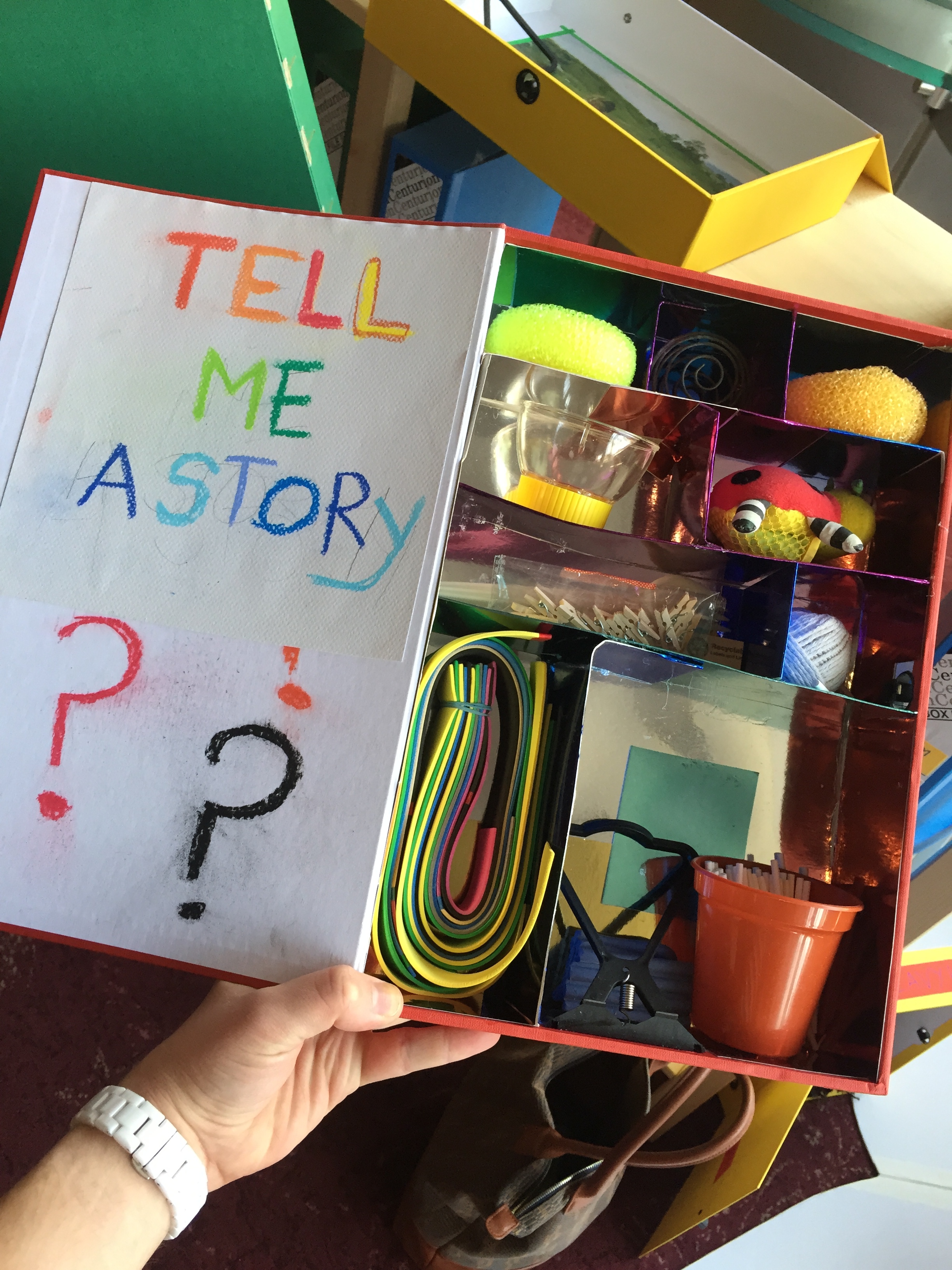
One idea which we saw was this clever box-file concept – the perfect opportunity for developing a ‘provocation to talk’ lesson which could support the creation of oral and written texts. Set these up in your classroom and allow your learners to think . . . to create.
This box-file in particular is a great way to get learners talking and creating texts:
Ramsey Musallam presented a TED Talk where he shared ‘3 rules to spark learning’. Curiosity, Trial and Error, Reflection – all three are key to embedding creativity in our learning environments.
CLICK HERE for the ‘Creativity Across Learning’ report from Education Scotland
What opportunities do you provide for learners to explore Literacy through creativity?
Following the recommendations made in the ‘Read on, Get on‘ report towards the end of 2014, the following post is a suggestion which would support their tagline:
The National Literacy Trust have an incentive called the ‘Reading Miles Global Challenge‘. For every sustained ten minutes a child reads they gain 500 reading miles.
The aim – travel around the word collecting 33,000 reading miles with 11 hours worth of reading. Teachers may choose to organise this in different ways, including an in-school or at-home reading challenge.
Click the image below for the Wall Chart:

Click the image below for the Reading Passport which can be used to track individual pupil progress:

Click the image below for the Certificate to award completion of the challenge:

This is a great incentive for pupils across the school to develop sustained approaches to reading. Practitioners may decide to differentiate the milestones for learners. The Reading Miles Global Challenge website will give you an overview of how you may structure the project.
Start on Monday and your kids could be round the world by the Summer holidays!
Check out the Mrs P website – http://mrsp.com/ – a free resource that brings well-known stories to life.
Check out Mrs P reading ‘Snow White’ below:
Thank you to one of our Primary Probationers for sharing the idea that contributed to this post.
Sticky Spelling is an activity that can be used to support the teaching of spelling and reading.

Learners should select a word – a common word, a word from the text they’re reading in class or for enjoyment, or a word that they have on their individual spelling list. The word should then be written on a sticky label and worn for the day. Similarly to Spell, Spell, Trade, the teacher should play some music and allow the learners to move around the room; when the music stops, learners should find a partner.
Their partner should then test them on the word that is on their label. Learners would focus on this word throughout the day and could be tested at all transition points. As a whole school approach, learners could test one another in the playground and the lunch hall.
An interesting twist to link spelling and reading together; the word that is on the sticky label becomes the learner’s name for the day. When using other learners’ names, they must use the word on their sticky label as their name. An interesting way to embed common words in First and Second Level.
Check out our Spelling and Phonics area for more resources.
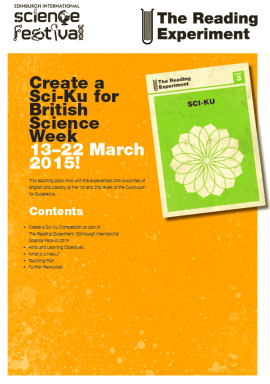

As part of this year’s Edinburgh International Science Festival the festival team are thrilled to be running a ‘Sci-Ku’ (science haiku) writing competition! There are 3 categories of the competition: primary school, secondary school and open to the public. To supplement the competition they have created 2 teaching packs for primary and secondary schools to help teachers take advantage of this competition during British Science Week and explore science in a creative way. For more information, please visit their website: http://www.sciencefestival.co.uk/sci-ku-competition
Click the images above to access the teaching packs.
Before the February break I visited Grantown Primary School and I was lucky enough to take part in a Talking and Listening lesson with P5 using the Talking Round Corners methodologies.
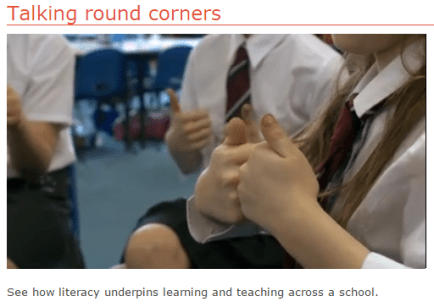
Talking Round Corners enables learners to:
– develop their higher order thinking skills
– develop their turn taking skills in conversations
– build on their confidence in sharing responses with others
– transfer knowledge from a text into a discussion.
Want more information? . . .
CLICK HERE – Talking Round Corners Inverclyde
How do I build a lesson in practice? . . .
CLICK HERE Talking Round Corners – Example Lesson
Many Highland schools have been using The Literacy Toolbox – Speedy Readers, supporting learners to make progress in Literacy.
Following the video created by Charleston Academy, Inverness, a school in Australia has showcased how The Literacy Toolbox has contributed to the shaping of their Literacy curriculum.
CLICK HERE for more information on The Literacy Toolbox – Speedy Readers
It’d be great to know how your school are using The Literacy Toolbox – Speedy Readers and the impact this has had on learners. Leave us a comment, or be brave . . . make and share a video!
 HIGHLAND LITERACY